

Iron is an important mineral for human health because it is a component of hemoglobin, the protein in red blood cells that carries oxygen from the lungs to the rest of the body.
Iron also plays a role in immune function, body temperature regulation and energy production. Without enough iron, the body cannot produce enough hemoglobin, resulting in iron deficiency anemia, which causes fatigue, weakness, and other symptoms.
A balanced diet that includes both heme and non-heme iron sources is important for maintaining optimal iron levels and overall health.
But what are these two types of iron?
They are essentially the same, but these forms of iron have one major difference…
Heme iron vs non-heme iron
Not many people know this, but there are technically two different types of iron: heme iron and non-heme iron.
heme iron – Heme iron is a type of iron found in animal products such as meat, poultry and fish. It is easily absorbed by the body and considered a more bioavailable form of iron than non-heme iron. Heme iron makes up about 40% of the iron in animal tissues and is a key component of hemoglobin, the protein in red blood cells that carries oxygen to the body.
Non-heme iron – Non-heme iron is the type of iron found in plant-based foods, such as legumes, tofu, spinach, and fortified cereals. It is less easily absorbed by the body than heme iron. Non-heme iron makes up about 60% of the iron in a typical diet and is found in animal and plant tissues. Although it is a less bioavailable form of iron, it can still be an important source of iron in a balanced diet.
Essentially, the difference between these two comes down to how easily they are absorbed by the body. But whichever one you consume the most, it’s important to make sure your body actually absorbs it.
The prevalence and dangers of iron deficiency
 Iron deficiency anemia affects 25% of the world’s population and is the most common cause of anemia.
Symptoms of iron deficiency include fatigue, dizziness, headache, sensitivity to cold, and shortness of breath during physical activity. It can also affect mental function, including attention span, and has been linked to learning difficulties in childhood. Some people may also experience restless leg syndrome, poor appetite, and a sore or swollen tongue.
The populations most vulnerable to iron deficiency are children, adolescents and women of childbearing age, especially during pregnancy, because their iron requirements are higher.
Some studies suggest that vegetarians are more prone to iron deficiency, while others show no difference with an omnivorous diet after adjusting for inflammation. To compensate for the low absorption of non-heme iron, vegetarians are advised to increase their iron intake to 1.8 times the recommended amount.
If you’re having any of these issues, it’s time to look into iron supplements or ways to increase your iron intake through food.
And vitamin C can help…
How Vitamin C Affects Iron Absorption
Vitamin C can improve iron absorption by converting non-heme iron to heme iron, allowing for a higher rate of iron absorption in the body.
This is why it is often recommended to consume foods rich in vitamin C, such as citrus fruits, with foods rich in iron.
In fact, research from 2017 found that increasing your vitamin C intake is a practical way to ensure optimal iron levels. [1]
Indeed, whatever type of iron you consume, vitamin C can allow them to be more soluble and to be absorbed by the body.
 Another thing that can help your body absorb iron is beta-carotene.
It is a red-orange pigment responsible for the colors of carrots, peppers, berries and other fruits and vegetables.
It is often converted into vitamin A in the body. But it can also help regulate iron levels by releasing any iron the body can store, allowing it to be put to good use.
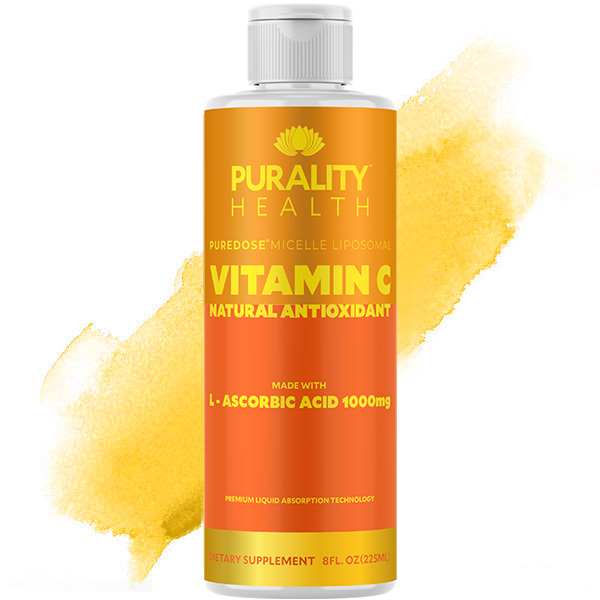
Beta-carotene is present in our Vitamin C Liposomal Micelle formula.
We use it for natural coloring, but it also benefits your health. That means you get TWO amazing compounds that can improve your iron absorption.
If you think your iron levels are low, Purality Health Micellar Liposomal Vitamin C can help your body properly absorb the iron you consume through diet OR supplements.
>>> Click here to see ingredients, reviews and how you can save 25% TODAY!

11 comments
Your point of view caught my eye and was very interesting. Thanks. I have a question for you.
Your article helped me a lot, is there any more related content? Thanks!
Can you be more specific about the content of your article? After reading it, I still have some doubts. Hope you can help me.
Your point of view caught my eye and was very interesting. Thanks. I have a question for you.
Can you be more specific about the content of your article? After reading it, I still have some doubts. Hope you can help me.
Your point of view caught my eye and was very interesting. Thanks. I have a question for you.
Thanks for sharing. I read many of your blog posts, cool, your blog is very good.
Thanks for sharing. I read many of your blog posts, cool, your blog is very good.
Reading your article helped me a lot and I agree with you. But I still have some doubts, can you clarify for me? I’ll keep an eye out for your answers.
Can you be more specific about the content of your article? After reading it, I still have some doubts. Hope you can help me.
Thank you for your sharing. I am worried that I lack creative ideas. It is your article that makes me full of hope. Thank you. But, I have a question, can you help me?