
“], “filter”: { “nextExceptions”: “img, blockquote, div”, “nextContainsExceptions”: “img, blockquote, a.btn, ao-button”} }”>
Are you going out the door? Read this article about the new Outside+ app available now on iOS devices for members! >”,”name”:”in-content-cta”,”type”:”link”}}”>Download the application.
Glutamine is the most abundant free amino acid in your body. However, it is not considered “essential”.
“Glutamine is called conditionally essential because the body can synthesize it in the liver, skeletal muscle, and intestines,” says Jennifer Weis, RD, LDN. In other words, if you don’t eat enough glutamine, your body will generate it internally.
But eating too little glutamine isn’t a common problem because nearly all animal protein and many plant-based foods contain enough to keep the general population happy in the pink. However, for hard-hitting weightlifters, endurance athletes, and high-level competitors who routinely track that redline, a glutamine shortage might be a thing.
Amino of all trades
Like all amino acids, glutamine is a building block of protein and helps build and maintain muscle tissue, but the benefits of glutamine extend beyond these protein benefits: research published in Nutrition advice concluded that glutamine aids in cellular repair, and other studies indicate that higher intake of glutamine is associated with a significantly lower risk of heart disease and all-cause mortality. Glutamine also helps your body produce immune-boosting cells, and has been shown to prevent digestive issues like leaky gut syndrome, diverticulitis, and Crohn’s disease. A study in Clinical immunology found that glutamine helps reduce intestinal inflammation, and another study in the journal Lancet found that glutamine decreases intestinal permeability.
Additionally, in the presence of cysteine and glycine, glutamine helps create glutathione, a powerful antioxidant responsible for boosting energy and immunity, and helps prevent age-related diseases such as cancer and dementia. Your brain loves a little glutamine too: Glutamine is a precursor to the neurotransmitter glutamate, and according to a study published in Neuron Glia Biologya lack of glutamate can cause anxiety, depression, alcohol dependence and even schizophrenia.
When it comes to athletic types, glutamine has been studied for its recovery potential, and a study published in the Journal of Applied Physiology found that glutamine helps with muscle hydration and reduces your post-workout recovery time. And as you know, the faster you recover, the sooner you can get back to training and the faster your performance will increase.
Related: 8 Foods High in Amino Acids
So… Supplements?
Obviously, glutamine is important for all humans, especially serious athletes. But should you supplement?
“A well-balanced diet with adequate protein from all sources (animal or vegan) provides enough glutamine…for healthy individuals,” says Aliz Alaman, RDN, CSSD, CDE, owner of Nourish Nutrition Counseling. “And since athletes generally eat higher protein diets than most of the population, if you’re meeting your estimated protein needs, you should also be meeting your glutamine needs.”
Getting nutrients from real, whole foods is always better than supplementation, and luckily glutamine is found in abundance in animal proteins such as meat, bone broth, cottage cheese, fish, and wild-caught eggs. and in vegetable sources like beans, spinach, asparagus and celery.
That being said, there are people who could be deficient, including those recovering from surgery, pregnant and breastfeeding women, those suffering from chronic stress, and possibly elite or index athletes. high octane. “Supplementation of up to 45 grams of glutamine per day appears to be safe, although not necessary, for healthy individuals and athletes,” says Alaman.
Get an overabundance of glutamine
Here are some of the top glutamine-rich foods.
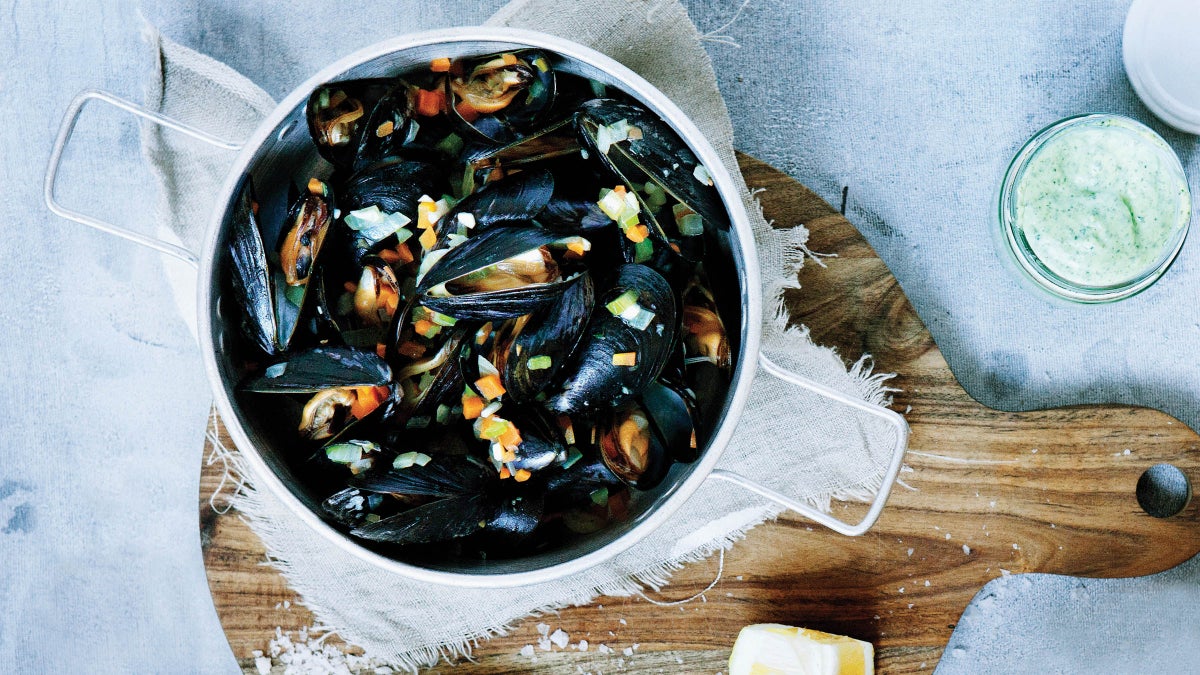
| Seafood | Fish, mussels, shrimps, crab |
| Meat | Lamb, beef, offal, bone broth |
| Poultry | Chicken, turkey, eggs |
| Dairy | Milk, yogurt, ricotta |
| Green vegetables | Kale, spinach, cilantro, parsley |
| Vegetables | Asparagus, red cabbage |
| Legumes | Chickpeas, lentils, kidney beans, soy |

8 comments
gv5sdHUQgfzgfwK0hyqSfLXqD69LsnPUd32WHxvDMz7gTrY7cHmp9Rcs9VosRSK0lVedvwOv6paS3ZSEnj5MpdsYAfG
Your point of view caught my eye and was very interesting. Thanks. I have a question for you.
Your point of view caught my eye and was very interesting. Thanks. I have a question for you.
Can you be more specific about the content of your article? After reading it, I still have some doubts. Hope you can help me.
Can you be more specific about the content of your article? After reading it, I still have some doubts. Hope you can help me.
I don’t think the title of your article matches the content lol. Just kidding, mainly because I had some doubts after reading the article.
Thanks for sharing. I read many of your blog posts, cool, your blog is very good.
Thank you for your sharing. I am worried that I lack creative ideas. It is your article that makes me full of hope. Thank you. But, I have a question, can you help me? https://www.binance.com/pt-BR/register?ref=GJY4VW8W